
When you start homeschooling, it can feel like stepping into the unknown. You’re excited, you’re nervous, and you’re probably wondering if you’re even doing this “right.” The first 30 days of homeschooling are a whirlwind of emotions, challenges, and victories that may leave you wondering how you got from “I think I can” to “I can’t believe I’m actually doing this!”
But fear not, fellow parent! We’re here to guide you through the highs and lows of your first month. From what those early mornings really look like to how to combat those unexpected bumps in the road, we’ll take you step-by-step through the chaos—and we promise, it’s not as scary as it sounds.
The Reality of Waking Up with a Plan… and Then Forgetting It
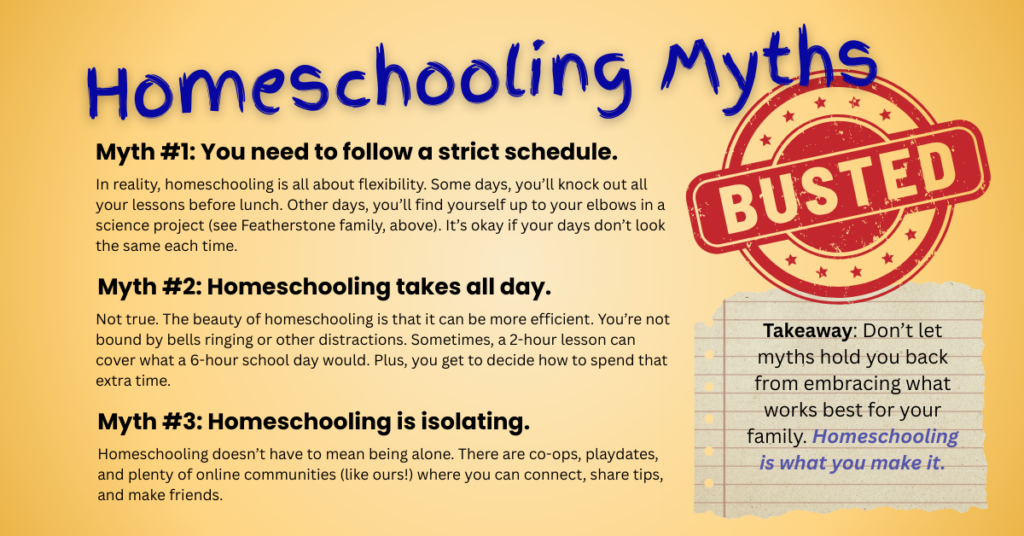
Remember when you were all excited, planning your perfect homeschool routine? You wrote out the beautiful schedule, mapped out the lessons, and even picked out the cutest supplies. But somehow, you wake up late. Maybe the kids are fighting over who gets the bathroom first, or one of them just doesn’t want to get out of bed. Welcome to the first week.
You might feel like you’re starting behind, and that’s okay! It’s not about the perfect schedule; it’s about making progress each day. One thing you’ll quickly realize is that homeschooling is flexible—and that’s one of its best features! A lesson might go longer than planned (or shorter), and your kids might take an interest in something completely unrelated to the “schedule.” Go with it! These unplanned moments often spark the most genuine learning.
Tip: Don’t stress if the plan doesn’t go exactly as you thought. Embrace the chaos. If anything, it’ll teach you more about flexibility than any textbook ever will.

The Featherstone Family Chronicles: A Morning Full of Surprises
Let’s take a peek at the Featherstone family as they tackle their first homeschool morning. Nancy, the “Curriculum Juggler,” had planned the perfect science experiment for Ivy. But as usual, things didn’t go according to plan.
Ivy, ever the headstrong scholar, decided the best way to learn about chemical reactions was to turn the kitchen into a disaster zone (in the name of “science,” of course). Meanwhile, Gabe was supposed to be tackling math, but his enthusiasm for learning was quickly overshadowed by his need for snack breaks. And Milo? Well, let’s just say he was busy starting a new “art project” with markers… and the dog.
Nancy’s first thought was to grab the phone and call for backup—Grandma Nora, where are you? Sure enough, Grandma Nora arrived, not with advice but with an entire stack of colorful post-its and a mug of tea. “Let’s get this under control,” she said, in her usual calm, no-nonsense way.
This scene sums up the first 30 days of homeschooling: full of surprises, laughter, and moments where you wonder if you’ve got it all figured out. And yet, by the end of the day, you’ll realize you’re doing great. Your kids are learning—whether or not it’s the exact lesson you had planned for them.
Takeaway: Expect surprises. Some will be fun, others a little chaotic. But through it all, the learning will still happen.
What Happens When You Realize Homeschooling Isn’t All Sunshine and Rainbows
Let’s talk about those days. The ones when it feels like nothing is going right. The worksheets are too much, the kids are too loud, and you’re wondering if homeschooling was just a very optimistic idea.
Here’s the thing—those days will come, and that’s totally normal. Don’t beat yourself up. Homeschooling isn’t about being perfect. It’s about being consistent. It’s about showing up every day, even when you don’t feel like it. The good news? The tough days get easier. As you adjust to the rhythm of homeschooling, you’ll find a flow. Some days will still feel like an uphill battle, but over time, you’ll see improvement. And so will your kids.
Tip: On those harder days, remember that you can always shift gears. If a lesson isn’t working, don’t be afraid to put it aside and try something different. It might mean going outside for a nature walk or diving into a fun educational game.
The 3 Key Ingredients for Stress-Free Homeschool Days
Let’s talk about the magic trio: routine, resources, and support. These three things will help make your homeschool days smoother—and your sanity intact.
1. Routine (With Flexibility)
A routine is important, but it’s okay if things don’t always go according to plan. Start with the basics: wake up, get dressed, and have breakfast. Once the morning routine is established, add in a few key subjects that are most important for the day. The key is to not be too rigid—let your routine breathe.
2. Resources That Work for You
Don’t feel like you have to use every resource under the sun. Find what works best for your family, whether it’s an online curriculum, a favorite workbook, or hands-on activities. Quality over quantity is the name of the game.
3. Support from Fellow Homeschoolers
You don’t have to do this alone. Whether it’s chatting with a homeschooling mentor, joining a co-op, or finding a support group, having a network makes all the difference. Homeschooling is tough, but when you share the experience with others, it becomes easier—and way more fun.
Takeaway: Homeschooling is better when you build a routine that works for your family, use the resources you actually enjoy, and lean on the support of your community.

Have you found yourself overwhelmed during the first 30 days of homeschooling? How did you adjust your approach to make it more manageable?
What’s one thing you wish you had known before starting homeschooling?
And finally, do you have any hilarious homeschool stories to share? We want to hear them! Drop them in the comments below—we’re all in this together.